Buying a cabin in Pinetop from another state can sound simple until you realize how much you cannot feel through a screen. A beautiful video tour may show vaulted ceilings and pine views, but it will not always tell you how the driveway handles snow, who maintains the road, or whether the cabin runs on septic or a private well. If you are trying to buy remotely, you need more than listing photos. You need a plan for evaluating the property, the access, and the closing process with confidence. Let’s dive in.
Why Pinetop feels different
Pinetop is part of the Pinetop-Lakeside area in Navajo County, and local sources describe it at roughly 6,800 to 7,000 feet in elevation. According to the Town of Pinetop-Lakeside, that elevation shapes winter conditions in a real way, including snow, colder temperatures, and seasonal access issues.
The town reports about 38 inches of average annual snowfall. It also notes that snow operations begin when accumulation reaches 2 inches or more, and that main arterials, school-bus routes, and emergency routes are typically plowed before residential streets. If you are buying from out of state, that matters because the route into town may be manageable while the final stretch to the cabin still feels slow, icy, or delayed.
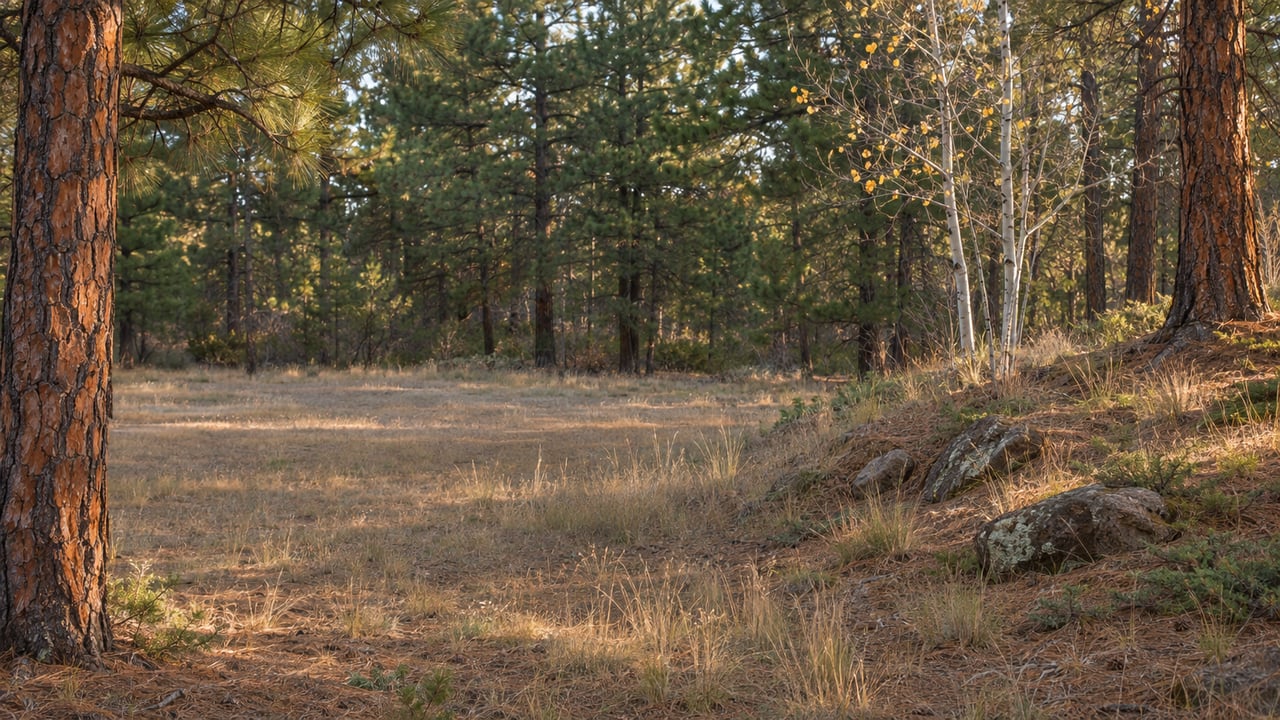
Pinetop also sits near the Apache-Sitgreaves National Forests, where prescribed-fire work may occur during certain seasons. That can affect air quality, visibility, and temporary area access. In other words, timing matters in this market, and a remote buyer needs to think beyond the house itself.
What to check in a virtual tour
When you are not there in person, the biggest mistake is focusing only on the interior finishes. Yes, the kitchen and great room matter, but in a mountain market, the exterior and systems often tell you more about how the property will function day to day.
I recommend making sure your video tour covers:
- The approach road to the property
- The driveway slope and surface
- The roof, gutters, and eaves
- Drainage around the home
- The crawlspace or foundation area
- Utility meters and service points
- Decks, stairs, and outbuildings
That approach lines up with local snow guidance from the town and winter-weather concerns raised by the EPA’s winter home guidance. A cabin can look polished inside and still have issues outside that become much more important in freezing weather.
Focus on winter-readiness
Winter can expose weaknesses fast. The EPA notes that cold weather can contribute to burst pipes, roof leaks, and indoor air issues, which is especially relevant in cabins where freeze-thaw cycles and wood-burning heat are common.
As part of your due diligence, ask whether water lines near exterior walls are insulated, whether outdoor spigots are shut off and drained before freezes, and whether any wood-burning appliance, chimney, or vent has been inspected annually. Those are not minor details. They are the kinds of questions that help you understand whether the home has been maintained for mountain conditions.
If the property has a deck, stairs, or exterior walkways, ask for current close-up video there as well. Snow and moisture can change how those surfaces perform, and remote buyers should see as much of the practical side of the cabin as possible.
Verify water and septic early
Many out-of-state buyers assume utilities work the same way from one property to the next. In Pinetop, that can create problems. Some homes are connected to standard services, while others may rely on a private well, septic, or subdivision-specific systems.
According to the Town of Pinetop-Lakeside resident resources page, utility providers can vary by service and by area. The page lists Navopache Electric Cooperative for electricity, UniSource for heating, Arizona Water Company plus some subdivision-specific water systems, the Pinetop-Lakeside Sanitary District for sewer, and CableOne or Frontier among internet options. That is why I always recommend verifying service by exact address, not by assumption.
If the cabin uses a private well, Navajo County says its Environmental Health department does not test well water. The EPA also states that private well owners are responsible for water safety, and Arizona DHS maintains a list of certified drinking-water labs. If a well is involved, you will want to confirm testing and review the results before removing contingencies.
If the home uses septic, the same principle applies. The EPA says owners are responsible for septic maintenance, and a typical system should be inspected every 1 to 3 years and pumped every 3 to 5 years depending on use and system type. Maintenance history matters, especially for a second home that may have periods of vacancy or seasonal use.
Confirm roads and jurisdiction
One of the most important questions for a remote cabin buyer is simple: Who is responsible for the road? The answer affects access, snow response, and sometimes your expectations for maintenance.
The town’s snow guidance encourages residents to know whether their road is town, county, private, or public and whether they need a private plowing plan. Navajo County maintenance guidance also points residents to different agencies depending on whether the road is under county, municipal, state highway, or tribal jurisdiction.
This matters because not every cabin follows the same path for road upkeep or services. The Navajo County Comprehensive Plan notes that unincorporated areas may rely on private wastewater collection or septic, and county planning serves areas outside the city limits of Show Low and Pinetop-Lakeside. Before you assume a standard setup, confirm whether the property is inside town limits, outside them, or on tribal land.
For winter travel days, the Arizona Department of Transportation recommends checking AZ511 and preparing your vehicle for cold-weather conditions. If you are flying in for inspections or a final walkthrough, that extra step can help you avoid surprises on the drive.
Ask about wildfire maintenance
Snow is not the only seasonal factor in Pinetop. In a forested market, wildfire preparedness should be part of your inspection and ownership conversation.
The U.S. Forest Service recommends clearing debris from roofs and gutters, reducing combustible materials close to the house, and keeping vegetation spaced and maintained. When you are reviewing a cabin remotely, ask for current exterior video that shows the roofline, gutters, tree spacing, and the area immediately around the structure.
This does not mean every property has the same level of risk or the same maintenance needs. It means you want a clear picture of how the property has been cared for and what routine upkeep may look like after closing.
Plan for a remote closing
The good news is that buying from another state is very doable in Arizona. The Arizona Secretary of State confirms that remote online notarization is allowed, as long as the Arizona notary is physically located in Arizona during the notarization.
That makes remote closing more convenient, but it does not make details less important. Signing logistics, timelines, and document delivery still need to be coordinated carefully so you are not scrambling at the last minute.
This is where local oversight can make a big difference. In a cabin market, conditions can change between the first video tour and closing due to weather, road access, utility questions, or seasonal work nearby. Having someone local help coordinate tours, inspections, and follow-up can reduce a lot of stress.
Protect yourself from wire fraud
Remote transactions also require extra caution around money transfers. The FBI warns that business email compromise scams often target title companies and real estate transactions.
The safest approach is to verify wiring instructions using a trusted phone number you already know, not one listed in a last-minute email. If payment instructions suddenly change, treat that as suspicious until it is independently confirmed. You should also avoid wiring money to someone you do not know or sending funds on a property you have not seen through a trusted process.
A simple remote-buyer checklist
If you want to keep your purchase organized, use this short checklist as you compare properties:
- Confirm the exact utility setup by address
- Ask whether the home uses sewer, septic, city water, or a private well
- Review road access and who maintains the road
- Request video of the approach, driveway, roofline, drainage, and exterior structures
- Check winter-readiness items like pipes, spigots, chimneys, and vents
- Review septic maintenance records if applicable
- Arrange well testing through a certified lab if applicable
- Ask about roof and gutter debris clearance and exterior vegetation maintenance
- Coordinate remote notarization early if you plan to close from another state
- Verify all wiring instructions by phone before sending funds
Buying a Pinetop cabin from out of state does not have to feel risky when you know what to verify. With the right local guidance, clear inspections, and a practical plan for utilities, roads, weather, and closing logistics, you can move forward with much more confidence. If you are considering a cabin in Pinetop, I can help arrange video tours, oversee the details on the ground, and make the process feel simpler from start to finish. When you are ready, connect with Kerri DeWaters.
FAQs
How do I evaluate a Pinetop cabin if I cannot visit in person?
- Ask for a virtual tour that shows the approach road, driveway, roof, drainage, crawlspace or foundation, utility areas, decks, and outbuildings, not just the interior.
What should I know about winter access to a Pinetop cabin?
- The town says main arterials, school-bus routes, and emergency routes are typically plowed before residential streets, so access to the final stretch of a cabin property may take longer after snow.
What should I check if the Pinetop cabin has a private well?
- Confirm who services the well, arrange water testing through a certified lab, and review any available records because private well owners are responsible for water safety.
What should I check if the Pinetop cabin has septic?
- Review inspection and pumping history before removing contingencies, since septic maintenance is the owner’s responsibility and regular service is recommended.
Can I close on a Pinetop cabin from another state?
- Yes, Arizona allows remote online notarization, as long as the notary is physically located in Arizona during the notarization.
How can I reduce fraud risk when buying a Pinetop cabin remotely?
- Verify wiring instructions through a known phone number, and treat any last-minute changes to payment instructions as suspicious until independently confirmed.