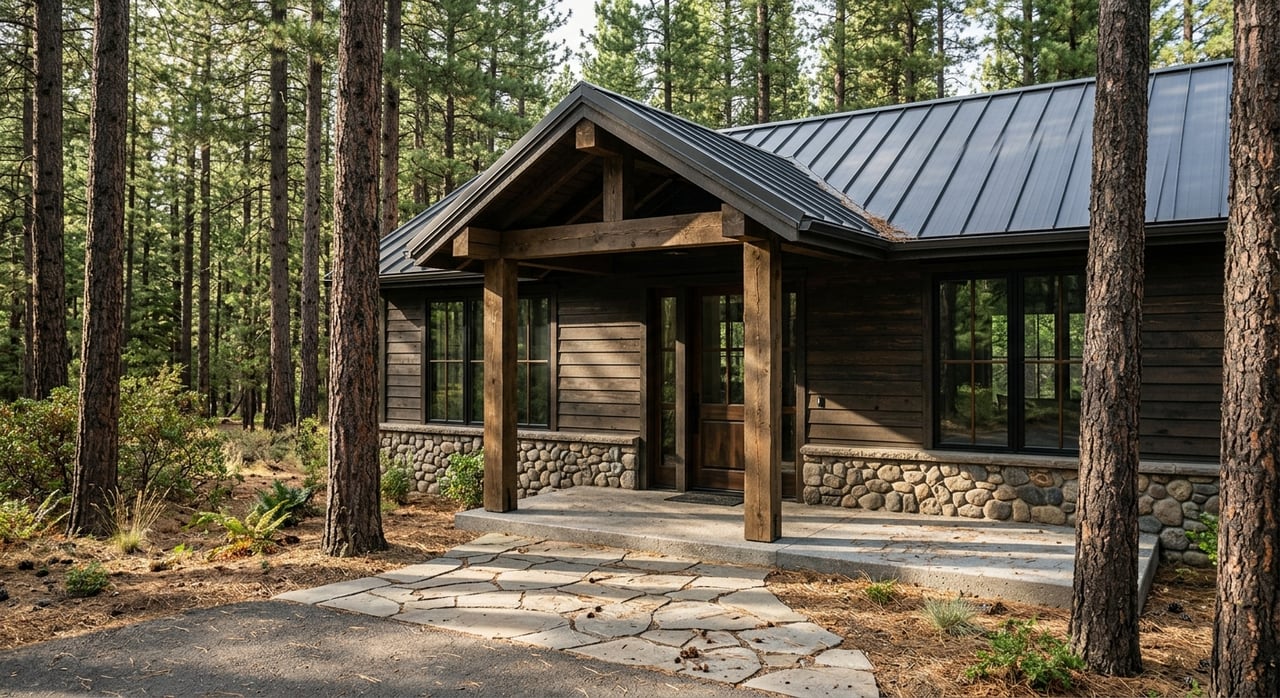
Thinking about buying a Pinetop cabin and turning it into a short-term rental? It can be an appealing idea for buyers who want mountain getaways, personal use, and some income along the way. But in Pinetop, the numbers, rules, and seasonal patterns matter just as much as the cabin itself. If you are weighing the opportunity, this guide will help you look at pricing, revenue potential, regulations, and day-to-day realities with a clear plan in mind. Let’s dive in.
Why Pinetop Appeals to STR Buyers
Pinetop has the kind of setting many vacation renters actively search for. The area is known for its roughly 7,000-foot elevation, outdoor recreation, lakes, trails, fishing, mountain biking, golf, and winter access tied to regional skiing, according to the official Pinetop-Lakeside visitor site and Sunrise Park Resort updates.
That broad mix matters if you are evaluating a cabin as a rental property. Instead of relying on only one peak season, Pinetop benefits from both summer and winter travel demand. For many buyers, that creates a more flexible ownership model where you can enjoy the property yourself and still market it during high-demand periods.
Pinetop Cabin Prices Today
If you are shopping for a cabin in this market, recent listing and sales snapshots show pricing in the upper-$500,000 range. According to recent market data, the 85935 area had a median list price of $591,500 on Zillow, while Realtor.com reported a median listing home price of $599,450 in March 2026, and Redfin showed a median sale price of $555,000 in February 2026.
That spread is useful when you build your budget. List prices tell you where sellers may be starting, while sale prices can offer a reality check on market movement. The same Realtor.com snapshot also labeled the area a buyer's market with 140 active listings, which may give you room to compare options carefully before committing.
What Pinetop STR Revenue Looks Like
Short-term rental buyers often jump straight to gross income projections, but it is better to start with market averages and then underwrite conservatively. AirDNA's Pinetop market data shows 905 vacation-rental properties, 44% occupancy, an average daily rate of $247.70, RevPAR of $102.20, and annual revenue of about $22,200.
Those figures give you a baseline, not a guarantee. They suggest that a Pinetop cabin may produce supplemental income, but it may not perform like a fully optimized urban hospitality asset. The strongest fit is often a buyer who values personal mountain use first and rental income second.
Inventory Type Matters
Pinetop's STR market is overwhelmingly made up of whole-home rentals. AirDNA shows that 96% of inventory is entire homes, and 3-bedroom properties make up the largest segment at 37%.
That can shape your search strategy. If you want to compete in the part of the market guests already expect, a well-located cabin with enough sleeping space for family or group travel may line up better with existing demand than a smaller or more niche property type.
Stay Length Patterns Matter Too
Another helpful data point is the booking setup many hosts already use. AirDNA reports that 62.2% of listings use a 2-night minimum.
That tells you the market is not built only around week-long stays. Weekend demand likely plays a role, but you still need to factor in cleaning turnover, management coordination, and vacancy between reservations when you estimate your real operating picture.
Expect Seasonal Cash Flow
One of the biggest mistakes buyers make is assuming revenue will be evenly spread throughout the year. County-level STR data for Navajo County shows occupancy at 35.9% in Q1 2025, 50.0% in Q2 2025, and 58.4% in Q3 2025, according to the Arizona Office of Tourism county report.
The takeaway is simple: summer is materially stronger than early-year months. If you are financing a cabin, planning reserves, or comparing management options, you should assume uneven monthly income rather than a flat year-round pattern.
Understand Pinetop STR Rules Before You Buy
Before you market a cabin for short stays, you need to understand the town's licensing requirements. The Town of Pinetop-Lakeside short-term rental permit page states that rentals of less than 30 days require an annual license for each property, and the fee is $250. New properties must be licensed before they are offered for rent.
This is not a step to leave for after closing. If you are buying with a rental plan in mind, compliance should be part of your due diligence from the start.
Key Operating Requirements
Pinetop-Lakeside's Ordinance No. 23-461 adds several operating requirements that directly affect owners. These include:
- A 24-hour local emergency contact
- Neighbor notification
- Permit-number disclosure in every advertisement
- A conspicuous permit posting at the property
- Liability insurance of at least $500,000
The ordinance also allows the town to suspend permits after repeated verified violations and to stop unpermitted operations. For remote owners especially, this makes reliable local support more important than many first-time investors expect.
Know the Tax Setup
Taxes are another area where buyers need clarity before they launch a nightly rental. The Arizona Department of Revenue city profile for Pinetop-Lakeside shows a 3.00% hotel rate and a 3.00% hotel/motel additional tax rate.
ADOR also notes that stays of fewer than 30 days remain subject to Arizona transient lodging TPT. If you later shift your strategy to 30-plus-day seasonal leasing, the tax and registration structure changes, so your ownership plan should match your intended use.
If You Pivot to 30+ Day Rentals
Some buyers start with nightly rentals and later decide they want fewer turnovers and a simpler rhythm. If you move into 30-plus-day seasonal or long-term rental use, Navajo County requires owners to file a residential rental registration form with the county assessor and update changes within 10 days.
That is a separate compliance path from the town's short-term rental permit system. In other words, a change in rental strategy can affect both your tax treatment and your paperwork requirements.
Management Options for Remote Owners
If you do not live full-time in the White Mountains, management is one of the most important decisions you will make. In practical terms, most owners choose one of three approaches:
- Self-management
- A local full-service property manager
- A hybrid setup with a co-host plus local cleaners and maintenance support
According to ADOR guidance on short-term lodging, a property management company may oversee the property, file returns, and remit applicable tax, but the owner remains ultimately liable. Online lodging marketplaces may remit tax on facilitated bookings, but owners still need proper licensing and records.
For many out-of-area buyers, this is where realistic planning matters most. A cabin can be a rewarding second-home investment, but it is rarely a set-it-and-forget-it asset.
Main Risks to Factor Into Your Numbers
Every STR market has tradeoffs, and Pinetop is no exception. The biggest ones to plan for are:
- Seasonal cash flow
- Ongoing competition
- Regulatory compliance
- Fire-related disruptions
Competition is not light. AirDNA shows 905 properties in the market, and 63% of listings are available 271 to 365 nights per year, which suggests a steady level of active supply rather than a market that only fills during a few holiday windows.
Fire risk also deserves a conservative approach. The research report notes that the Apache-Sitgreaves National Forests issued Stage 1 and Stage 2 fire restrictions in 2025 because of dry conditions and increased fire danger. If a cabin relies heavily on outdoor amenities or forest-access positioning, you will want to think carefully about how that could affect guest expectations and operations.
What Makes a Pinetop Cabin Investment Work
The best Pinetop STR purchases are usually the ones tied to a balanced ownership goal. If you want a mountain property your household will actually use, and you view rental income as a way to offset expenses rather than fully transform the asset into a high-yield commercial operation, the numbers tend to make more sense.
This market can reward buyers who plan carefully, buy with realistic expectations, and stay organized on compliance. It is less ideal for anyone hoping for purely passive income without local support, reserves, and a clear operating system.
How I Help You Buy Smarter
If you are considering a Pinetop cabin as a short-term rental, I can help you evaluate the property through both a lifestyle and investment lens. That may include comparing active price points, reviewing how a home's layout fits typical whole-home demand, and helping you think through practical ownership questions if you are buying from out of area.
Because many mountain-market buyers are remote, I keep the process calm and hands-on with clear communication, local perspective, video tours, and inspection support. If you want a second home that can also serve as rental-ready inventory, I will help you focus on the details that matter before you buy. When you are ready to talk through your options in Pinetop, connect with Kerri Dewaters.
FAQs
What are average short-term rental earnings for a Pinetop cabin?
- AirDNA's Pinetop market data shows average annual revenue of about $22,200, with 44% occupancy, an average daily rate of $247.70, and RevPAR of $102.20, but actual results depend on the property, seasonality, management, and compliance.
Do you need a permit for a short-term rental in Pinetop-Lakeside?
- Yes. The Town of Pinetop-Lakeside requires an annual short-term or vacation rental license for rentals of less than 30 days, and the listed fee is $250 per property.
What taxes apply to short-term rentals in Pinetop-Lakeside?
- The Arizona Department of Revenue city profile shows a 3.00% hotel rate and 3.00% hotel/motel additional tax rate, and stays of fewer than 30 days remain subject to Arizona transient lodging TPT.
Is Pinetop a seasonal market for cabin rentals?
- Yes. Navajo County occupancy data shows stronger performance in Q2 and Q3 than in Q1, which means you should plan for uneven monthly cash flow.
Are most Pinetop short-term rentals cabins or whole homes?
- AirDNA reports that 96% of Pinetop vacation-rental inventory is entire homes, which suggests whole-home properties make up the dominant part of the market.
Should remote buyers self-manage a Pinetop short-term rental?
- Remote buyers should think carefully about it, because local rules require items like a 24-hour local emergency contact, and owners remain responsible for licensing, records, and compliance even when outside services help manage the property.