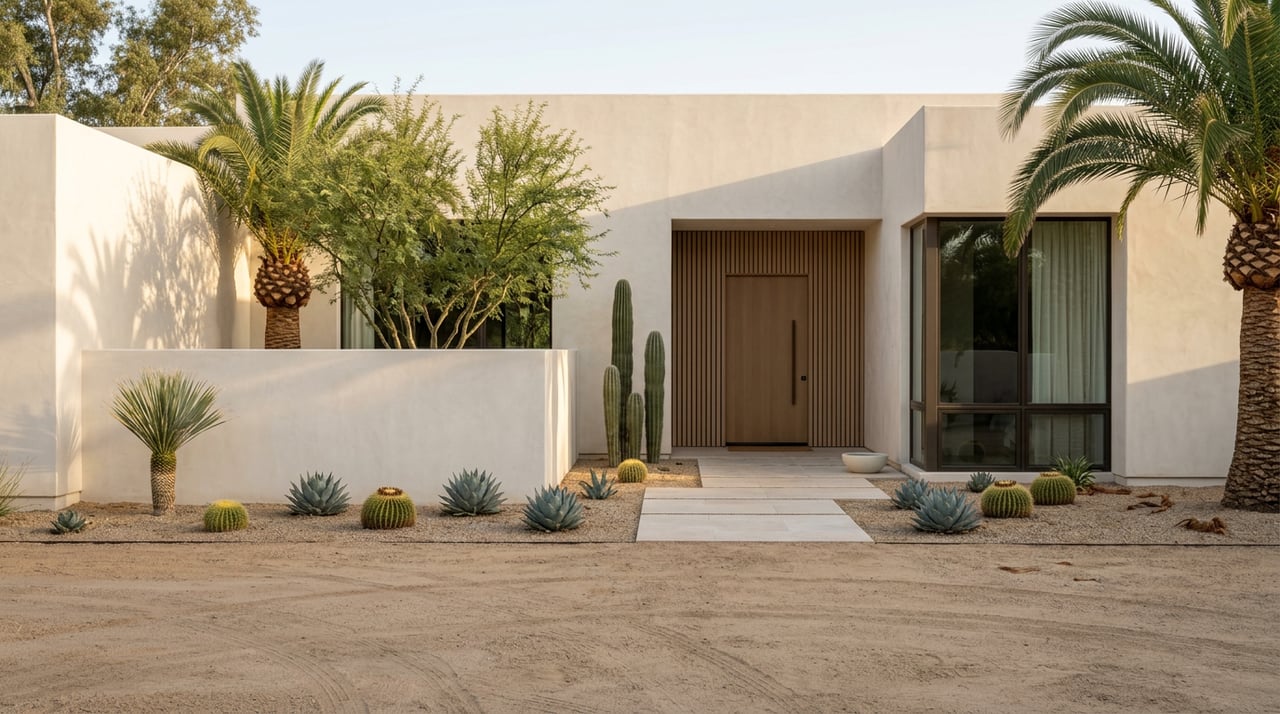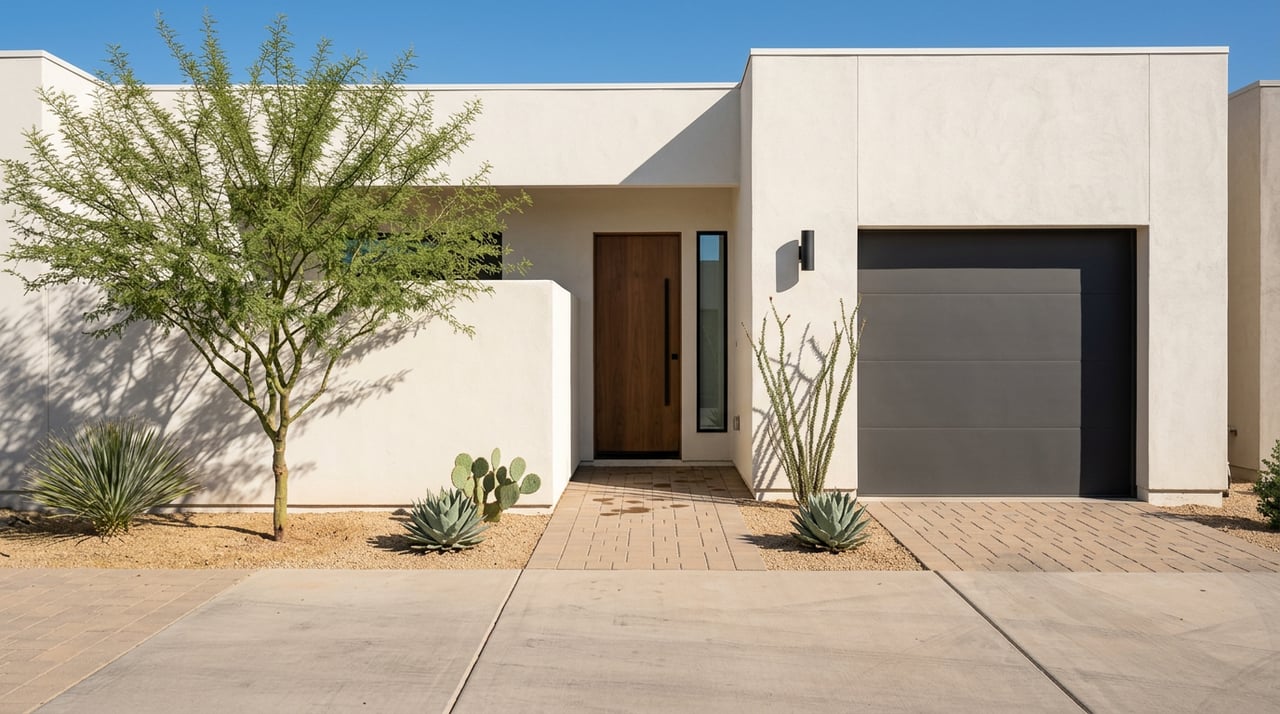
If the perfect getaway means sunshine, mountain views, and zero yard work, lock-and-leave living in Fountain Hills could be your sweet spot. You want an easy landing for winter months, a secure place to close up when you head home, and amenities that make every visit feel like a resort stay. In this guide, you’ll learn what lock-and-leave really looks like here, what you can expect to spend, what HOA fees often include, and the key due-diligence steps that protect your purchase. Let’s dive in.
Lock-and-leave in Fountain Hills
Lock-and-leave homes make seasonal living simple. In Fountain Hills, that often means a condo, townhome, or patio/villa home where exterior upkeep is handled for you. You get community amenities like a heated pool, fitness room, or clubhouse, and many developments are gated or have controlled access for added peace of mind.
Seasonal rhythms matter here. Buyer activity typically picks up November through March, with the most competition in mid-winter. If you plan ahead, you can time tours and offers to fit your travel schedule and the market’s pace.
What you can expect to spend
Recent listings show a wide range of condo and villa options across Fountain Hills. While exact values move with the market, here’s a helpful overview of what many buyers see:
- Under about $250,000: Compact one-bedroom condos near the fountain or town center. Good for solo living or a dedicated winter base.
- About $250,000–$400,000: Many two-bed, two-bath condos and some entry-level townhomes. Popular for snowbirds who want space for guests without yard work.
- About $400,000–$700,000: Larger townhomes and upgraded patio homes or villas, often in landscaped or gated settings with stronger amenity packages.
- $700,000 and up: Higher-end patio homes and hillside villas with premium views, privacy, or expanded outdoor living.
Citywide, major trackers have placed recent medians in the mid $600Ks to mid $700Ks. Those indexes update frequently, so plan to recheck current data when you’re ready to shop.
HOA services and typical fees
“HOA” looks different from one community to the next, so always read the inclusions carefully. Many Fountain Hills condos and villa communities include some mix of:
- Exterior building maintenance and repainting
- Roof repair or replacement on a schedule
- Landscaping and irrigation for common areas, sometimes front yards in patio/villa communities
- Pool and spa maintenance, pest control, trash, sewer or water in select developments
- Building insurance on a master policy and professional management
Typical monthly dues vary with amenities and scope of services:
- Lower-amenity condos: roughly $150–$225 per month
- Mid-amenity complexes with clubhouse, heated pool, or gym: roughly $250–$400 per month
- Patio homes or gated villa communities with full grounds care: roughly $300–$500+ per month
Higher dues often add staffed gates or enhanced security, resort-style pools and fitness centers, more extensive landscaping, and stronger reserves for big-ticket repairs. Lower dues usually mean fewer amenities and lighter reserve funding. Budget for extras that are not part of most HOAs, like private home-watch services or seasonal HVAC checks.
Financing, insurance, and rentals: key rules
Warrantable vs. non-warrantable projects
Lenders look at the entire condo or townhome project, not just your unit. If a project meets Fannie Mae and Freddie Mac standards, it is considered warrantable and conventional financing is widely available. Triggers for non-warrantable treatment include low owner occupancy, limited reserves, excessive commercial space, or material litigation. You can review how lenders evaluate projects in Fannie Mae’s project standards, which outline the criteria and documentation lenders use to approve a building for conventional loans. See Fannie Mae’s guidance on general project standards for details. Review Fannie Mae’s condo project standards
Practical tip: ask your lender early if the exact building and phase will be treated as warrantable. Non-warrantable status can mean higher down payments, higher rates, or fewer lender choices. For a plain-English overview, read this summary on warrantable vs. non-warrantable condos. Learn about warrantable vs. non-warrantable condos
To understand how lenders review projects at scale, many use tools like Fannie Mae’s Condo Project Manager. See Fannie Mae’s Condo Project Manager
Insurance: HOA master policy and your HO-6
Most associations carry a master policy that covers common areas and, depending on the policy type, some structural components. You still need an HO-6 condo policy for interiors, upgrades, contents, and personal liability. Confirm the master policy deductible and whether a loss assessment clause could allocate part of a large deductible or special assessment to unit owners. Understand HOA master policies and HO-6 coverage
Short-term rental and HOA rules in Arizona
Arizona limits how much cities can restrict short-term rentals, but your HOA’s CC&Rs can set stricter rules. If you plan to rent your home, verify both the recorded CC&Rs and any local registration or permit requirements before you rely on income. Review Arizona’s state framework on municipal regulation for context. Read Arizona’s STR statute summary
Accessing HOA records and financials
During your review period, request the association’s budget, financials, reserve study, meeting minutes, and insurance details. Arizona statute outlines association record-access rights and timelines so you can evaluate the health of the community. See Arizona guidance on HOA record access
Buyer due-diligence checklist
Documents to request early
- Full governing documents: CC&Rs, Bylaws, Articles, Rules and any architectural guidelines or amendments
- Current operating budget and year-to-date financials
- Most recent reserve study and current reserve balance. If no study exists, that is a red flag for future special assessments. How reserve planning factors into project eligibility
- Estoppel or resale certificate showing current dues, arrears, transfer fees, and any pending or approved special assessments
- Insurance declarations for the master policy, including limits and deductibles. Confirm what you must insure via your HO-6
- Board meeting minutes from the last 12–24 months
- Any pending or recent litigation affecting the association
- Occupancy and rental information, including any caps or minimum lease terms
On-site and practical checks
- HVAC: confirm age, service history, and that smart thermostats or sensors are set for vacancy. The heat here puts extra strain on systems
- Pool and irrigation: verify service contracts, vendor billing, and seasonal protocols, including monsoon prep
- Security and access: clarify assigned and guest parking, gate codes, key handling, and vendor access rules
- Home-watch and concierge: for extended absences, consider a vetted home-watch service to coordinate checks, meet vendors, and prepare the home for arrivals. Explore a local home-watch provider
Red flags to watch
- Low or no reserves, or no recent reserve study
- Frequent or recent special assessments
- High owner delinquency rates on dues
- Material litigation involving the association
- Rules that conflict with how you plan to use the property, including rental restrictions
Timing tips for seasonal buyers
- Build an HOA document review contingency into your offer and order the resale packet as soon as you go under contract
- If you are out of state, line up home-watch or property management introductions before closing so someone can hold keys and meet vendors
- Expect more competition in January through March. If you want more choices, be ready to tour quickly when a good option lists
Is a condo, townhome, or patio home right for you?
- Choose a condo if you want the lowest exterior responsibility and access to shared amenities like a heated pool or gym
- Choose a townhome if you prefer a bit more space or a garage while still outsourcing most exterior upkeep
- Choose a patio or villa home if you want a single-level feel, attached or detached walls, and front-yard or courtyard care included in dues
Your best fit comes down to how you live, how often you will visit, and what level of maintenance you want to avoid. I can help you compare communities, amenities, rental rules, and dues line by line.
Looking for a smooth lock-and-leave purchase in Fountain Hills? I specialize in guiding out-of-state and seasonal buyers with video tours, neighborhood vetting, clear comparisons of HOA coverage, and hands-on inspection coordination. When you are ready, I will map your wish list to the right communities and help you close with confidence. Connect with Kerri Dewaters to start your move.
FAQs
What does “lock-and-leave” mean in Fountain Hills?
- It refers to condos, townhomes, and patio or villa homes where exterior maintenance and common areas are handled by an HOA, so you can come and go with minimal upkeep.
How much are typical HOA fees for Fountain Hills condos and villas?
- Many communities fall between about $150 and $500+ per month, with higher dues usually tied to gated access, resort-style amenities, and broader exterior services.
What is a warrantable condo and why does it matter in Fountain Hills?
- A warrantable project meets Fannie Mae and Freddie Mac criteria, which usually means better access to conventional loans and lower rates compared to non-warrantable options. See Fannie Mae’s project standards
What insurance do I need if my HOA has a master policy in Arizona?
- You will still need an HO-6 condo policy for interiors, upgrades, contents, and liability. Confirm the HOA’s master policy type, limits, and deductibles. Learn how master and HO-6 policies work
Can I use a Fountain Hills condo as a short-term rental?
- Possibly. Arizona limits municipal restrictions, but your HOA’s CC&Rs can restrict rentals. Verify the recorded rules and any local registration needs before counting on income. Review Arizona’s STR framework
When is the best time to shop for a lock-and-leave in Fountain Hills?
- Activity often peaks in winter, especially January through March. Start early, get pre-approved, and be ready to tour quickly when a matching home lists.