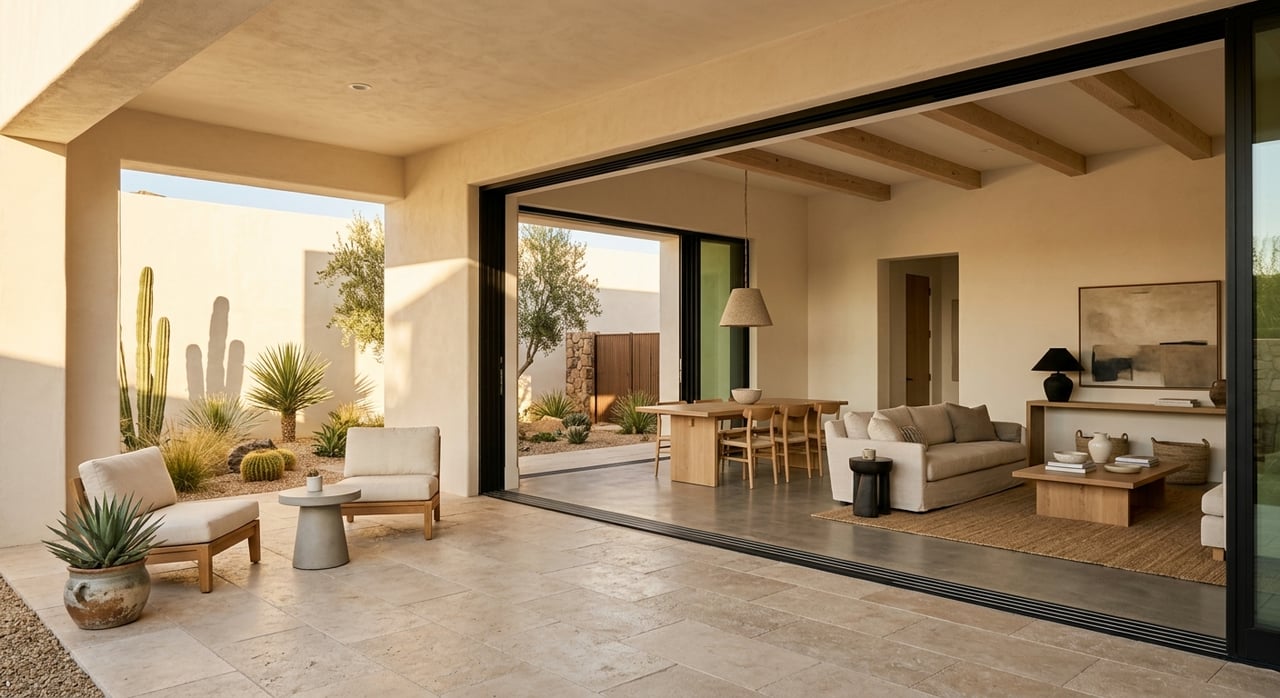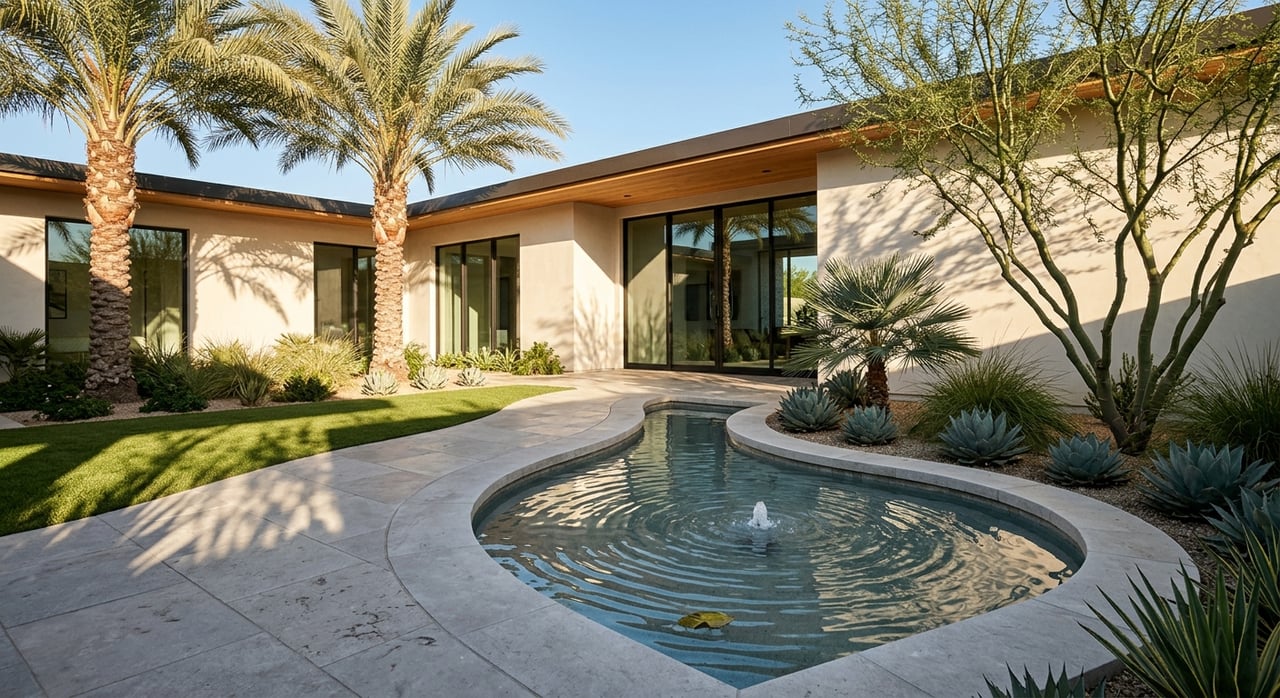
If you have started exploring Paradise Valley, you have probably noticed something quickly: this town does not feel like a place with one single "best" neighborhood. Instead, Paradise Valley is shaped by mountain views, lot size, privacy, and access, which means one street can feel tucked away and elevated while another feels central, polished, and resort-adjacent. If you want to understand what makes each area distinct, this guide will help you compare the town’s most recognizable neighborhoods and corridors with more confidence. Let’s dive in.
What sets Paradise Valley apart
Paradise Valley is known for low-density residential living. According to the town’s history and planning documents, residents originally organized to preserve one-house-per-acre zoning and keep the area primarily residential, and much of the town remains zoned for large single-family lots.
That planning approach still shapes how the town feels today. The 2022 General Plan describes Paradise Valley as a premier, low-density residential community focused on privacy, quiet, and dark skies, with convenient access to regional amenities.
The natural setting is just as important as the zoning. Paradise Valley sits around Camelback Mountain, Mummy Mountain, and the Phoenix Mountain Preserve, so topography plays a big role in how different areas live, look, and feel.
This is why buyers often compare more than just square footage or finishes here. In Paradise Valley, elevation, ridgeline position, lot orientation, and access routes can matter just as much as the home itself.
Why neighborhoods feel so different
In many cities, neighborhood identity comes from tract names or master-planned amenities. In Paradise Valley, street names and landforms often tell you more.
Lincoln Drive, McDonald Drive, Mockingbird Lane, Invergordon Road, Cheney Drive, Tatum Boulevard, and Palo Cristi Road help explain how the town is organized. Once you understand those corridors, it becomes easier to see why one property may offer broad mountain views while another offers flatter estate living or easier resort access.
The town also has a strong hospitality presence. Resorts and destination dining along Lincoln Drive and nearby roads add to the luxury feel, even though Paradise Valley remains residential first.
Clearwater Hills: Elevated and private
Clearwater Hills is one of the clearest examples of terrain shaping a neighborhood’s identity. Current listing activity shows guard-gated or private-street access, lots around 1.2 acres and larger hillside parcels over 5 acres, and strong mountain or city-light views.
The overall feel here is secluded and elevated. In some cases, parcels border preserve or public land, which adds to the sense of space and privacy.
If you are drawn to a home site where the landscape does much of the talking, Clearwater Hills stands out. It tends to appeal to buyers who want a strong sense of retreat and view orientation.
Tatum Canyon: Secluded but practical
Tatum Canyon has a tucked-away foothill feel. Recent listings include flat and buildable lots, homes on roughly 0.9 to 1.3 acres, and estates on more than an acre, often described with broad mountain views.
What makes this area especially interesting is the balance it offers. Listings point to a quiet, secluded setting while still noting practical access to shopping, dining, airport travel, and freeway connections.
For buyers who want privacy without feeling disconnected, Tatum Canyon is often a smart area to study. It gives you a more hidden setting while keeping day-to-day convenience within reach.
Cheney Drive: Estate corridor with variety
Cheney Drive and the surrounding Cheney Estates area read more like a classic estate corridor than a hillside enclave. Recent listings show lots from about 1.0 to 2.9 acres, with a mix of older ranch homes, custom builds, and larger modern properties.
That architectural mix is part of what makes this area unique. You can see the town’s evolution here, where older homes, rebuilt properties, and newer luxury construction sit side by side.
If you appreciate variety and want a more central estate feel, Cheney is worth a closer look. It can offer a different experience than the view-driven hillside pockets.
Camelback Country Club Estates: Golf-oriented living
Camelback Country Club Estates is one of the easiest areas to identify because of its connection to golf and club living. Current listings show lots ranging from about 0.97 to 2.15 acres, with features like guest houses, private pools, and mountain views.
Compared with steeper hillside areas, this neighborhood tends to feel flatter and more organized around fairways. The street pattern and golf-course references give it a more structured identity.
If you are comparing lifestyle options, this area often stands out for buyers who prefer flatter estate lots and a setting closely tied to club surroundings.
Camelback Country Estates and Mockingbird Lane
Camelback Country Estates and the Mockingbird Lane corridor are often easier to understand as the central estate grid of Paradise Valley. Current listings in these areas include golf-course placement, cul-de-sac settings, mountain views, acre-plus lots, and new construction.
This part of town also benefits from its location near key connectors. The area around Mockingbird, Invergordon, Lincoln, and Northern helps explain how the center of Paradise Valley functions and why it often feels easier to navigate.
If you want a more central location with estate-scale homes and straightforward access patterns, this corridor deserves attention. It offers a practical frame of reference for buyers learning the town.
Paradise Hills: Views first
Paradise Hills leans more toward elevation and outlook than club convenience. Current listings show hillside lots around 1.08 acres and homes on roughly 1.1 to 1.6 acres with mountain and city-light views.
This area tends to attract buyers who care deeply about topography. If your priority is sightlines, hillside positioning, and a stronger connection to the terrain, Paradise Hills is one of the clearest fits.
In a town where views matter, Paradise Hills helps show why lot placement can be just as important as the home design. It is a good reminder that not all luxury in Paradise Valley looks the same.
Lincoln Drive corridor: Resort access and dining
The Lincoln Drive, McDonald Drive, and Palo Cristi corridor is the easiest area to associate with Paradise Valley’s resort lifestyle. Official town information places resorts such as Camelback Inn, Mountain Shadows, Omni Scottsdale Resort & Spa at Montelucia, Sanctuary Camelback Mountain, and Hermosa Inn directly on or near these roads.
The town also ties this corridor to notable dining, including Lincoln Steakhouse, Prado, Lon’s, elements, and Hearth 61. That makes this area especially useful to understand if you want strong access to hospitality and dining while still being in a primarily residential town.
For some buyers, that convenience is a major part of the appeal. It creates a polished, resort-adjacent feel that is distinct from more tucked-away hillside areas.
How to compare Paradise Valley areas
If you are deciding where to focus, it helps to compare neighborhoods by lifestyle priorities rather than by name alone. In Paradise Valley, buyers often narrow the search based on privacy, views, terrain, golf access, or proximity to resorts and dining.
Here is a simple way to think about it:
- For privacy and strong views: Clearwater Hills, Tatum Canyon, and hillside parts of Paradise Hills often stand out.
- For flatter estate living and golf adjacency: Camelback Country Club Estates and Camelback Country Estates are common starting points.
- For resort and dining access: The Lincoln Drive, McDonald Drive, and Palo Cristi corridor is the clearest fit.
- For architectural variety and a mix of older and newer homes: Cheney Drive and parts of Mockingbird Lane often show that range.
- For a central, easier-to-navigate estate setting: Mockingbird, Invergordon, Cheney, Lincoln, and Northern help define the middle of town.
Why views matter so much here
Paradise Valley’s planning documents emphasize hillsides, washes, view corridors, and natural features. That helps explain why two homes with similar square footage can feel very different in daily life.
A lot’s orientation, elevation, and relationship to ridgelines can influence privacy, mountain outlooks, and even the way the property sits in the landscape. In practical terms, buyers here often evaluate the site first and the floor plan second.
That is one reason I encourage clients to look beyond listing photos alone. In Paradise Valley, understanding the lot and the street context can make a big difference in whether a property truly fits your goals.
What this means for your home search
The biggest takeaway is simple: Paradise Valley is not one-note. Some areas feel more secluded and topographic, some feel more central and estate-like, and others offer the strongest connection to golf, resorts, or dining.
If you are relocating, this can be especially important because online browsing does not always show how dramatically one part of town differs from another. Street pattern, elevation, and access all shape the day-to-day experience.
I help clients narrow that down with practical guidance, video tours, neighborhood vetting, and hands-on local insight. Whether you want privacy, convenience, views, or a more central estate setting, the right fit usually becomes much clearer once you compare Paradise Valley by corridor and lifestyle.
If you are thinking about buying or selling in Paradise Valley, I would love to help you make sense of the market with calm, clear guidance. Visit Kerri Dewaters to start the conversation.
FAQs
What makes Paradise Valley neighborhoods different from each other?
- Paradise Valley neighborhoods often differ by terrain, lot size, privacy, views, and access to main roads, resorts, or golf-oriented areas rather than by dense subdivision patterns.
Which Paradise Valley areas are known for privacy and views?
- Clearwater Hills, Tatum Canyon, and hillside parts of Paradise Hills are commonly associated with more secluded settings, elevation, and strong mountain or city-light views.
Which Paradise Valley neighborhoods feel more central?
- Cheney Drive, Mockingbird Lane, and nearby connectors such as Invergordon, Lincoln, and Northern tend to give buyers a more central and easier-to-navigate estate feel.
Which Paradise Valley area is best for resort and dining access?
- The Lincoln Drive, McDonald Drive, and Palo Cristi corridor is the strongest area for access to Paradise Valley’s resort and dining destinations.
Are Paradise Valley neighborhoods mostly hillside communities?
- No. Some areas are clearly hillside and view-driven, while others are flatter estate neighborhoods or golf-oriented communities with a more organized street layout.
What home styles will you see in Paradise Valley neighborhoods?
- Paradise Valley includes older ranch-era homes, Spanish-style homes, and newer contemporary estates, with many areas showing a mix of original homes, rebuilds, and custom construction.